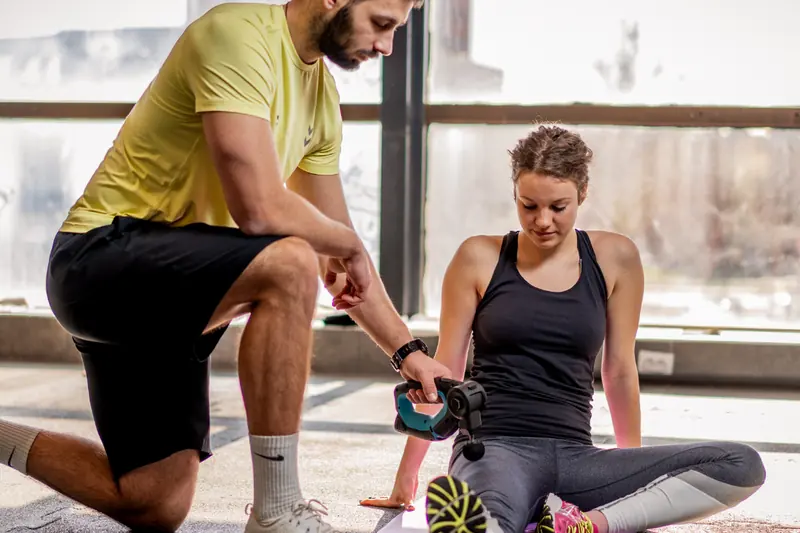
What does personal training mean?
A personal trainer works with clients to understand their goals, assess relevant fitness information, plan exercise and coach sessions. The NASM Certified Personal Trainer curriculum covers professional responsibilities, client relations, anatomy and exercise science, assessment, exercise technique and programme design using the OPT™ model.
Personal training is therefore about more than choosing movements. It includes the process of working with a client: communicating, making appropriate adjustments, supporting adherence and recognising the limits of one’s professional scope.
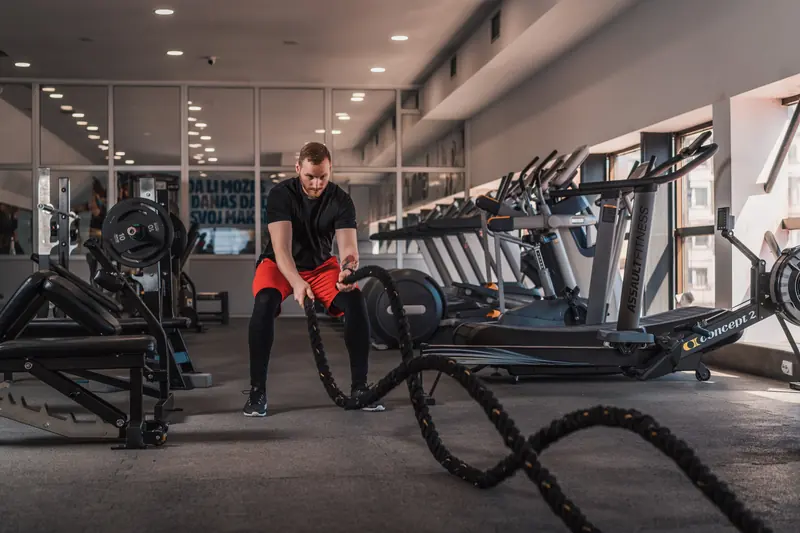
What is functional training?
Functional training focuses on movement, exercise selection and how the body works through different patterns. HFS Academy’s Functional Training Specialist 2.0 course introduces fascia, safe technique with functional training equipment, exercise progressions and ways to change intensity for different populations. The programme also covers planning longer-term training.
Functional training can be part of a personal trainer’s toolkit. The approach does not replace the broader skills involved in client assessment, programme planning and coaching.
How to choose between the two courses
If you are building a professional foundation, compare the NASM CPT programme’s broad personal-training curriculum and certification outcome. If you already want to focus on movement and exercise progressions, the Functional Training Specialist course offers a more specific topic area.
Look carefully at each qualification. NASM awards the NASM CPT, and HFS Academy’s NASM CPT page states that NASM certificates are fully accredited by EREPS. HFS’s separate “Sertifikovani Personalni Trener” live course is described as EREPS Level 4 accredited; that specific level should not be transferred between qualifications. The online Functional Training Specialist course is currently described as being delivered in Serbian, with six months of access, while the online NASM CPT course is in English with five years of access.
Both pathways rely on good coaching
Whichever route you take, keep your work evidence-based, communicate clearly, adapt exercise to the person in front of you and practise within your training and qualifications. For work in the UAE, check the requirements of your employer and any applicable professional register.
Explore the NASM Certified Personal Trainer and Functional Training Specialist 2.0 course pages.